
Smart Ways to Shop at Walmart for Big Families Without Overspending
For many families, Walmart is where the grocery cart fills up fast—and the total climbs even faster. Big families know the struggle: milk, cereal, snacks, cleaning supplies, paper towels—it all adds up. The good news is that with a little planning and a few insider tricks, you can feed your family well, stock up on essentials, and still stay within budget.
TL;DR
- Use Walmart’s online grocery app to pre-price and plan your cart before you shop.
- Compare Great Value vs. name brands—many are made by the same producers at half the price.
- Shop clearance and rollback sections early in the week for best inventory.
- Stack savings with Ibotta, Rakuten, and Walmart Rewards on one trip.
- Buy in bulk for non-perishables, but limit fresh items to what you’ll use in 5–7 days.
- Use online pickup to avoid impulse buys and stay focused on your list.
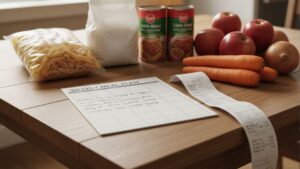 Plan family meals by cost per serving, not recipe count.
Why Families Overspend at Walmart
Walmart feels like a savings paradise—rows of low prices, end-caps shouting Rollback deals, and a one-stop convenience that’s hard to beat. But that convenience can lead to overspending. Families often make extra trips “for just one thing,” wander into new aisles, or buy bulk items that go unused.
It’s not lack of discipline—it’s design. Stores are built to inspire browsing. The goal is to shift from reacting at checkout to planning before you arrive.
How to Plan Before You Shop
Big savings start long before you push the cart. Taking 20 minutes to plan your list can easily save $40 or more per trip. Here’s how:
- Check weekly online prices: Walmart.com and the app let you compare prices before leaving the house. Search for store-brand swaps and build your cart digitally.
- Create a meal plan by ingredient overlap: Choose 3–4 dinners that share ingredients—like rice, tortillas, or shredded cheese—to reduce waste.
- Set a spending cap: Treat your Walmart cart total like a game. Keep it under your weekly target before you hit checkout.
- Shop your pantry first: Take inventory before buying duplicates. A quick pantry check can cut grocery spending by 10 percent.
Smart Ways to Save In-Store and Online
These strategies help you get more from every Walmart trip—without clipping a single coupon.
- Use the Walmart App: Scan barcodes to check for online discounts or nearby rollbacks.
- Try Great Value first: Walmart’s store brand often matches national brands in taste and quality for less.
- Shop early: Morning shoppers find the best markdowns on meat, produce, and bakery items nearing sell-by dates.
- Stack rebates: Use Ibotta and Rakuten alongside Walmart Rewards to earn extra cash back.
- Use Walmart Pickup: Avoid impulse buys by ordering online and staying out of the aisles.
- Watch for “Rollback + Clearance” overlap: These are rare but powerful price drops. Check the end-caps near household and frozen foods.
- Bulk up smartly: Buy pantry items like rice, pasta, or paper towels in bulk, but avoid large produce packs unless you’ll freeze them.
- Compare unit prices: Always check the shelf tag’s “per ounce” or “per count” line—big boxes aren’t always better deals.
- Use Walmart+ if you shop weekly. Free delivery and fuel discounts can offset the annual fee quickly for larger families.
- Save receipts: Track spending trends to adjust future meal plans and cut waste.
Meal Planning for Big Families
Feeding a large household doesn’t mean sacrificing flavor or variety. Start by building a short list of low-cost, high-yield meals. Focus on recipes with shared ingredients and affordable staples.
- Batch cook: Make big pots of pasta sauce, soups, or casseroles. Freeze half for next week.
- Use flexible base ingredients: Rotisserie chicken, rice, and frozen vegetables can turn into multiple meals.
- Buy seasonal produce: Walmart adjusts prices based on region and time of year—shop what’s cheapest that week.
- Calculate by serving cost: Break down each meal’s price per serving to understand real value. Aim for $1.50–$2.50 per serving for dinner.

Stretch Every Dollar: Real-Life Tips from Single Parents
Budget pros and single parents agree—small adjustments add up fast. Here are their favorite tricks:
- Use Walmart’s digital list tool and stick to it like a contract.
- Freeze bread, meat, and shredded cheese to extend shelf life.
- Shop online, then pick up in-store to control impulse spending.
- Repurpose leftovers into new meals—taco filling becomes chili or stuffed peppers.
- Buy household cleaners in concentrate form; they last longer and cost less per use.
Walmart vs. Other Stores
Compared to Aldi and Costco, Walmart’s biggest strength is accessibility. Prices are competitive, and you can buy smaller quantities—ideal when you don’t need a full case of something. Costco can win on bulk value, but Walmart helps manage cash flow with smaller, everyday buys.
Target and regional grocers may offer better organic or specialty options, but for core grocery and household needs, Walmart remains the balance of price and convenience.
FAQ
Is Walmart really cheaper for groceries?
Most staple foods and cleaning supplies are 5–15 percent cheaper than regional grocers. The biggest savings come from switching to Great Value and watching for Rollbacks.
When does Walmart mark down items?
Markdowns usually happen early weekday mornings. Visit before 10 a.m. for the best selection of discounted meat, bakery, and produce.
Can I still price match at Walmart?
Walmart no longer matches competitor prices in-store, but you can still find online Rollbacks or app-exclusive deals that update daily.
Is Walmart+ worth it?
For families spending over $100 weekly, yes. Between free grocery delivery and fuel discounts, most members recoup the annual fee within two months.
Final Thoughts
Walmart can be your biggest budget ally when you shop with a plan. Whether you’re raising kids on one income or running a busy household, a few smart shifts—like pre-pricing your cart, using pickup, and focusing on shared ingredients—can make a big difference. With the right mindset, every trip becomes a step toward financial confidence.
Related Reading from Single Parent Budget
- How to Feed a Family of 4 on $100 a Week
- Best Grocery Stores for Feeding a Family on a Budget
- How to Start an Emergency Fund on One Income
- Single Mom Budget Hacks: 25 Ways to Save Fast
External sources:
ConsumerFinance.gov,
NerdWallet,
Investopedia