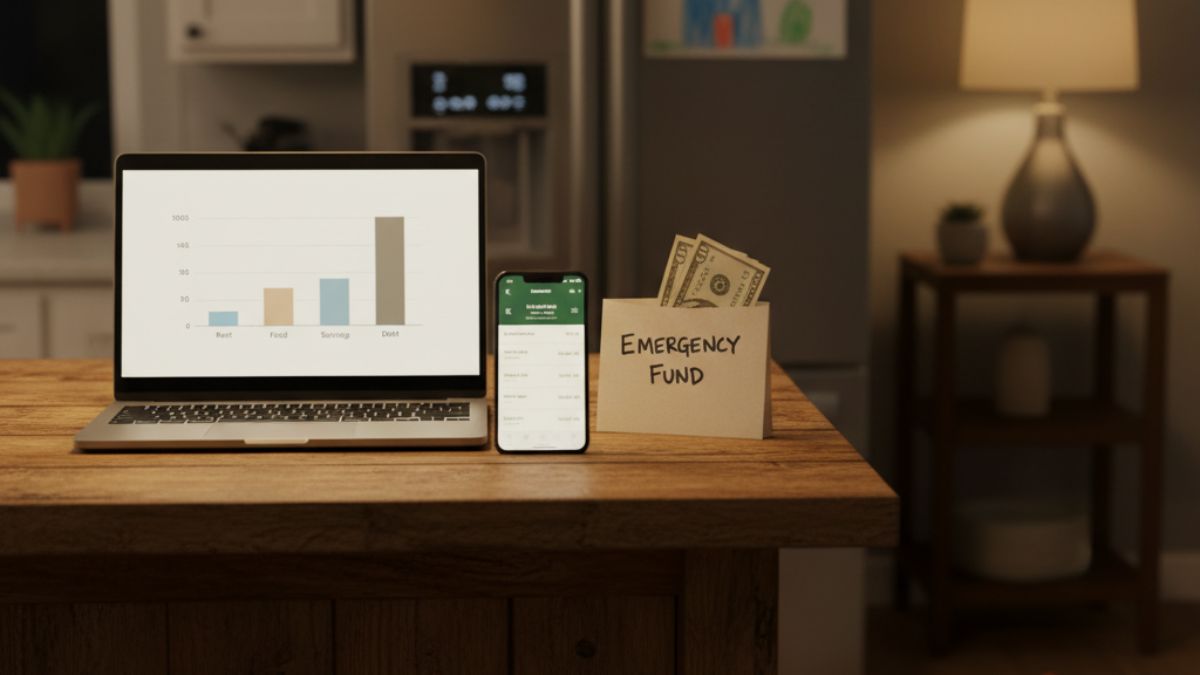
How to Start an Emergency Fund on One Income
When you’re raising a family on a single income, it can feel like every dollar already has a place to go. Starting an emergency fund might sound impossible, but it’s one of the most important steps you can take to protect your household. With the right approach, you don’t need a second job or big windfalls to build savings. You just need consistency, a plan, and strategies that fit your real life.
TLDR: How to Start an Emergency Fund on One Income
- Start small: Even $5 or $10 a week builds momentum.
- Automate savings: Set up automatic transfers to a separate savings account.
- Cut hidden costs: Trim subscriptions, renegotiate bills, and shop smarter.
- Use side hustles: Funnel extra earnings directly into your emergency fund.
- Track progress: Celebrate milestones and keep motivated.
Bottom line: You don’t need a lot of money to get started. What matters most is creating a steady habit that grows over time.
Why an Emergency Fund Matters
Life happens. A flat tire, medical bill, or broken appliance can derail your budget if you don’t have savings to fall back on. The Consumer Financial Protection Bureau notes that even a small emergency fund makes families less vulnerable to financial stress. For single parents, it’s not just about money — it’s about peace of mind and security for your kids.
Step 1: Decide on a Starting Goal
Many experts recommend three to six months of expenses, but don’t let that number scare you. If you’re on one income, start with a smaller goal that’s realistic. Even $500 to $1,000 can cover the most common emergencies. Once you hit that, you can keep building toward larger milestones.
Step 2: Open a Dedicated Savings Account
Keep your emergency fund separate from your everyday checking account so you’re not tempted to dip into it. Many banks and credit unions offer free savings accounts, and some online banks pay higher interest rates. For comparisons, check NerdWallet’s list of best savings accounts.
Step 3: Automate Your Savings
Automation takes willpower out of the equation. Set up a weekly or bi-weekly transfer, even if it’s only $10. Over time, these small amounts add up. For example, $10 a week equals $520 in a year — enough to cover a minor car repair or medical bill.
Pair automation with budgeting tools. See our guide on the best budgeting apps for single parents to find apps that help you set automatic goals and track your savings progress.
Step 4: Find Extra Cash in Your Current Budget
Trimming even small expenses makes room for savings. Look for:
- Unused subscriptions you can cancel.
- Insurance or phone bills you can renegotiate.
- Cheaper grocery options — see our guide on feeding a family of three on $100 a week and the best discount stores for budget shoppers.
Redirect every dollar you free up into your emergency fund instead of letting it vanish into daily spending.
Step 5: Use Side Hustles for Extra Boosts
Side hustles can be powerful when you dedicate the extra earnings straight to your emergency fund. Evening-friendly ideas include freelancing, reselling items online, or virtual assistance. For inspiration, read our article on side hustles you can do after the kids are in bed.
Step 6: Track and Celebrate Progress
Building savings on one income takes time, but every step forward is a win. Use a simple chart, budgeting app, or even a jar of marbles that represents dollars saved. Celebrate milestones with your kids to make saving a family achievement. The Balance suggests visual trackers help keep motivation high.
FAQ: Starting an Emergency Fund on One Income
How much should I save first?
Start with $500 to $1,000. Once you reach that, aim for one month of expenses, then build toward three to six months if possible.
Where should I keep my emergency fund?
In a separate savings account that’s safe, liquid, and easy to access in an emergency but not so convenient that you’ll spend it on everyday wants.
Can I build an emergency fund while paying off debt?
Yes. Experts recommend saving at least a small starter fund before aggressively paying down debt. This prevents you from relying on credit cards for the next unexpected expense.
What if I can only save $5 or $10 at a time?
That’s fine. The habit is more important than the amount. Small, steady savings create momentum and build confidence over time.
Conclusion: Building Security on a Single Income
Starting an emergency fund on one income isn’t about saving huge amounts all at once. It’s about steady habits, smart planning, and celebrating progress along the way. Every deposit, no matter how small, is a step toward financial security for you and your kids. By combining automation, budget adjustments, and side hustle income, you’ll create a safety net that protects your family from life’s surprises. For more tools, see our Essential Budgeting Toolkit for Single Parents and our guide on budgeting apps that make saving easier.