TLDR: How to Feed a Family of 3 on $100 a Week
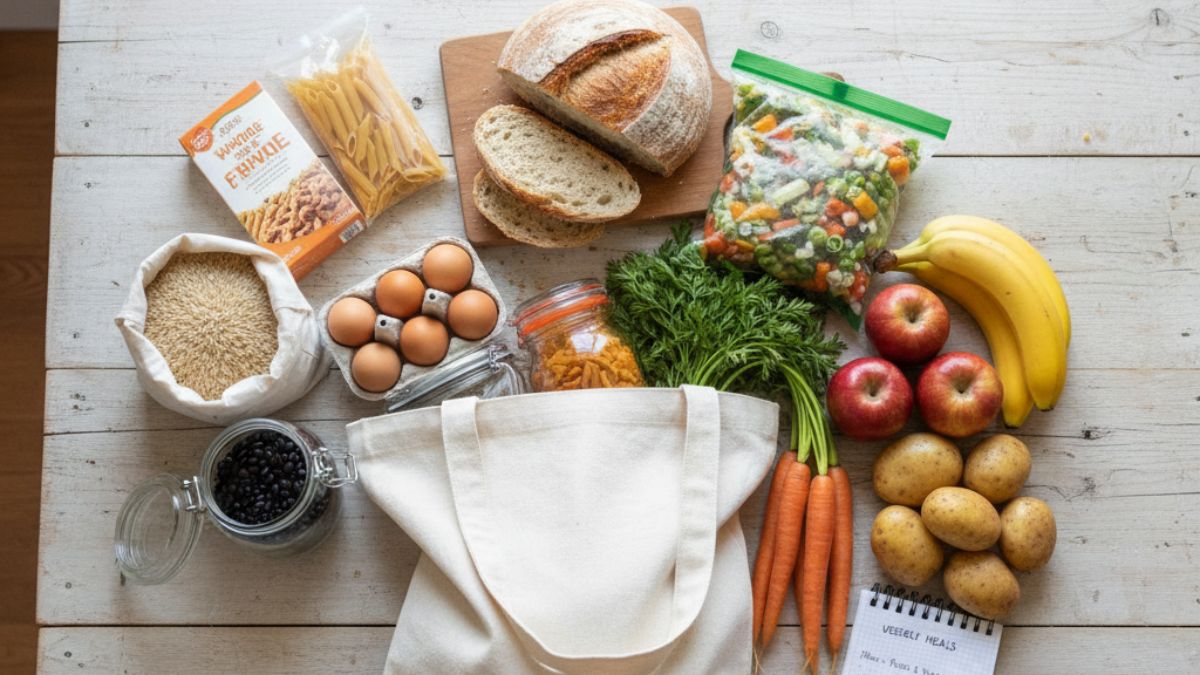
Here’s our TLDR: (too long didn’t read) version. Feeding a family on a single parent budget is possible with a simple plan and consistent habits.
- Work the numbers: $100 per week is about $4.75 per person per day.
- Plan around staples: rice, beans, pasta, oats, eggs, potatoes, seasonal produce.
- Batch cook: soups, casseroles, chili, and cooked grains that cover multiple meals.
- Shop smart: use a list, buy store brands, shop sales and markdowns, compare unit prices.
- Stretch ingredients: freeze portions, repurpose leftovers, reduce waste.
- Involve kids: age-appropriate tasks build skills and reduce mealtime friction.
Bottom line: with planning and flexibility, $100 a week can cover healthy, filling meals while teaching valuable skills to the whole family.
Why $100 a Week Is Possible
Breaking Down the Numbers
One hundred dollars per week for three people works out to about 4.75 dollars per person per day. The key is to build meals around affordable staples such as rice, beans, oats, eggs, pasta, frozen vegetables, potatoes, and seasonal produce. The USDA Food Plans show that families can meet nutrition needs on a thrifty budget by leaning on lower cost ingredients and planning ahead.
Realistic Expectations and Flexibility
Not every meal needs to look like a magazine spread. Focus on nutritious, filling, and affordable. Stay flexible and pivot to what is on sale. Some weeks chicken thighs are the anchor protein. Other weeks lentils or canned tuna make more sense.
Smart Meal Planning on a Budget
Build a Weekly Menu Around Affordable Staples
Choose four or five low cost anchor foods and build the week around them. Rotate proteins based on sales.
- Monday: Rice and beans with salsa and a little shredded cheese. Estimated cost per serving: 1.50 dollars.
- Tuesday: Egg and vegetable stir fry over rice. Estimated cost per serving: 1.75 dollars.
- Wednesday: Pasta with tomato sauce and sautéed spinach. Estimated cost per serving: 2.00 dollars.
Use Batch Cooking and Leftovers
Cook once and eat twice. A pot of vegetarian chili can cost about 12 dollars to make and yields eight servings at roughly 1.50 dollars each. That covers one dinner and several lunches.
Incorporate Seasonal Produce for Savings
Buy produce in season for better prices and flavor. In summer, zucchini and cucumbers drop in price. In winter, rely on cabbage, carrots, and potatoes. For balanced plate guidance, see ChooseMyPlate.gov.
Grocery Shopping Strategies
How to Make and Stick to a List
Plan the menu first and write a list. Group items by store section to move quickly and avoid impulse purchases that can add 20 dollars or more to your cart.
Best Stores and Times to Shop
Discount grocers, ethnic markets, and warehouse clubs often have the best prices on staples and produce. Evening or early morning trips can catch markdowns on meat and produce near sell by dates.
Using Coupons and Cashback Apps
Combine store loyalty apps with digital coupons and cashback tools like Ibotta or Fetch. If money is especially tight, find community resources through Feeding America.

Affordable, Nutritious Recipes
Breakfast Options Under $2 per Serving
- Overnight oats with peanut butter and banana. Estimated cost per serving: 1.25 dollars.
- Scrambled eggs with toast and a side of frozen spinach. Estimated cost per serving: 1.75 dollars.
- Freezer breakfast burritos with eggs, beans, salsa, and tortillas. Estimated cost per serving: 1.50 dollars.
Filling Lunch Ideas for Kids
- Hummus and veggie wraps on whole wheat tortillas. Estimated cost per serving: 1.75 dollars.
- Tuna salad sandwiches with celery on whole wheat bread. Estimated cost per serving: 2.00 dollars.
- Leftover pasta bowls with olive oil and tomato sauce. Estimated cost per serving: 1.25 dollars.
Dinners That Stretch Across Two Nights
- Chicken and rice casserole with carrots and peas. Estimated cost per serving: 2.25 dollars.
- Vegetarian chili with beans, corn, tomatoes, and spices. Estimated cost per serving: 1.75 dollars.
- Sheet pan sausage and vegetables with potatoes and peppers. Estimated cost per serving: 2.50 dollars.
For healthy swaps and evidence based nutrition tips, visit Mayo Clinic Nutrition.
Stretching Every Dollar
Buying in Bulk and Freezing Portions
Buy rice, oats, and chicken in larger packs when possible. Divide into meal sized portions and freeze. A 12 dollar family pack of chicken thighs can become four meals at about 3 dollars each.
Repurposing Leftovers Creatively
- Roast chicken becomes tacos, then broth based soup.
- Roasted vegetables become a blended pasta sauce or a soup base.
Avoiding Food Waste
Food waste is money waste. Learn storage and use it up strategies with the USDA guide to reducing food waste.
Encouraging Kids to Be Part of the Process
Teaching Kids to Cook on a Budget
Give age appropriate tasks like washing, measuring, and stirring. Participation builds confidence and reduces mealtime battles.
Making Food Fun and Educational
Turn shopping into a math challenge. Compare unit prices and calculate savings together to build money sense.
Setting Family Habits That Last
Shared planning and prep teach life skills and make budget eating more sustainable over the long term.
Sample 7 Day Meal Plan Under $100
This plan uses the shopping list below. Costs are estimates and will vary by store and region.
| Day | Breakfast | Lunch | Dinner | Estimated Daily Cost |
|---|---|---|---|---|
| Mon | Overnight oats with banana | Tuna salad sandwiches, carrot sticks | Rice and beans with salsa and cheese | 14.00 dollars |
| Tue | Scrambled eggs, toast, spinach | Leftover rice and beans bowls | Egg and vegetable stir fry over rice | 13.75 dollars |
| Wed | Yogurt with oats and apple | Hummus and veggie wraps | Pasta with tomato sauce and sautéed spinach | 14.25 dollars |
| Thu | Breakfast burritos | Leftover pasta bowls | Chicken and rice casserole with peas and carrots | 14.50 dollars |
| Fri | Overnight oats with peanut butter | Tuna sandwiches, apple slices | Vegetarian chili with rice | 13.75 dollars |
| Sat | Eggs and toast | Leftover chili bowls | Sheet pan sausage with potatoes and peppers | 14.75 dollars |
| Sun | Yogurt, oats, banana | Hummus wraps or leftovers | Chicken and vegetable soup with toast | 14.00 dollars |
| Estimated Weekly Total | 99.00 to 100.00 dollars | |||
For healthy plate balance and portion guidance, visit MyPlate. For low cost meal inspiration and pantry planning, compare against the USDA Food Plans.

One Week Shopping List With Estimated Costs
Use store brands and sales where possible. Prices are conservative national estimates and will vary by region. This list lands near 90 dollars, leaving a small buffer for local price differences, taxes, or a few extra produce items.
- Rice 10 lb: 7.50 dollars
- Dried beans 4 lb: 6.50 dollars
- Old fashioned oats 2 lb: 3.00 dollars
- Eggs 2 dozen: 5.00 dollars
- Chicken thighs 5 lb: 8.50 dollars
- Peanut butter 16 oz: 2.00 dollars
- Whole wheat bread 2 loaves: 4.00 dollars
- Pasta 3 lb: 4.00 dollars
- Canned tomatoes 4 cans: 4.00 dollars
- Frozen mixed vegetables 4 lb: 5.50 dollars
- Carrots 3 lb: 2.50 dollars
- Onions 3 lb: 2.00 dollars
- Potatoes 5 lb: 3.50 dollars
- Cheddar cheese 1 lb: 4.00 dollars
- Milk 1 gallon: 3.50 dollars
- Yogurt 32 oz: 2.50 dollars
- Tortillas 20 count: 3.00 dollars
- Canned tuna 4 cans: 4.00 dollars
- Salsa 24 oz: 2.50 dollars
- Olive oil small bottle: 3.50 dollars
- Basic spices and salt budget: 3.00 dollars
- Bananas 3 lb: 2.00 dollars
- Apples 3 lb: 3.00 dollars
- Cabbage 2 lb: 1.50 dollars
Estimated subtotal: 90.50 dollars. Use the remaining budget for additional produce, a second gallon of milk, or to cover regional price differences. If you need support, search local resources through Feeding America.
Conclusion
Feeding a family of three on 100 dollars a week is possible with planning, flexibility, and a reliable set of recipes. The goal is not perfection. The goal is a steady system that keeps your family nourished while lowering stress. Keep improving your plan over time, lean on seasonal produce, and continue learning from trusted sources like the USDA Food Plans, MyPlate, and Mayo Clinic Nutrition. You have the tools to make this work and to model resilience and resourcefulness for your kids.