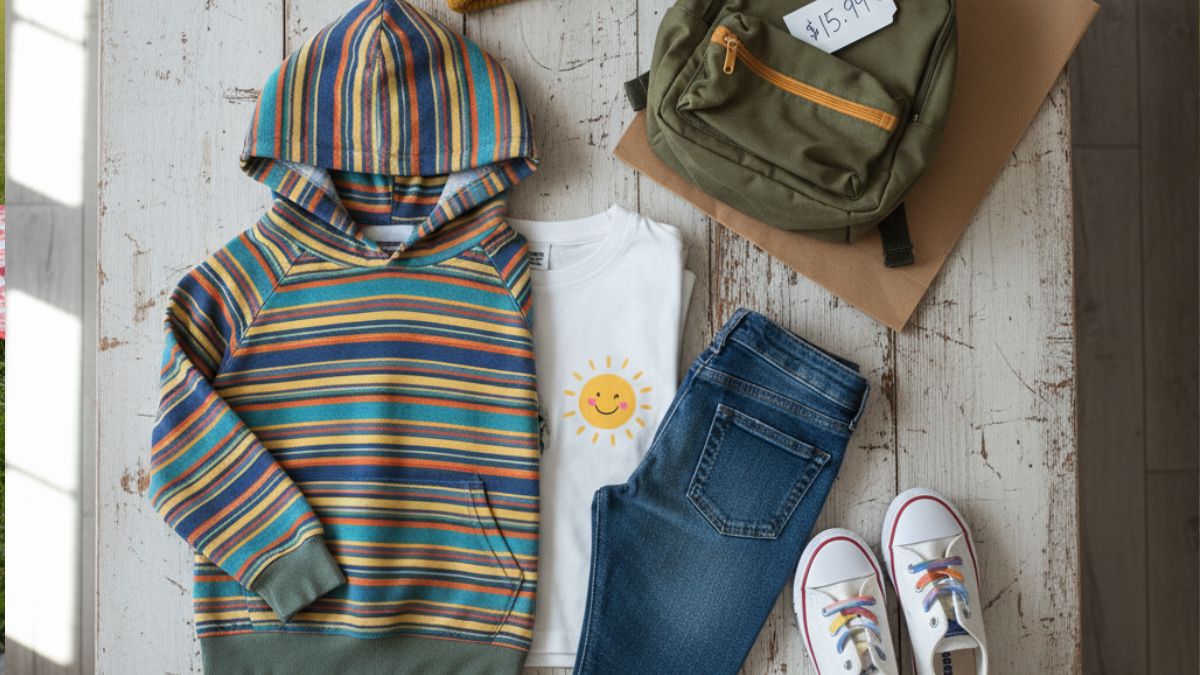
How to Save on Kids’ Clothes (Without Sacrificing Style)
Between growth spurts, changing seasons, and the wear and tear of everyday play, buying kids’ clothes can feel endless. For single parents or families on a budget, clothing costs quickly add up. The good news is you do not need to overspend to keep your kids looking and feeling great. With a mix of smart shopping, creative swaps, and a focus on value, you can save big on clothes while still letting your kids express their personal style.
TLDR: How to Save on Kids’ Clothes (Without Sacrificing Style)
- Shop secondhand first: Thrift stores, resale apps, and consignment shops often have like-new clothing at a fraction of the cost.
- Buy off-season: Purchase coats in spring and swimsuits in fall for major discounts.
- Focus on mix-and-match basics: A capsule wardrobe saves money and creates endless outfit combinations.
- Use swaps and hand-me-downs: Clothing swaps and parent networks are free ways to refresh wardrobes.
- Lean on apps and outlets: Sites like ThredUp and outlet stores offer brand names at deep discounts.
- Budget tip: Set aside a small monthly clothing fund so expenses feel manageable when kids need new pieces.
Bottom line: Kids can still look stylish without draining your wallet. With smart timing, secondhand shopping, and creative strategies, families can save hundreds every year on clothing.
Why Clothing Costs Add Up Quickly
The Consumer Reports shopping guide notes that American families spend an average of $600 per year per child on clothing. Factor in sports gear, school dress codes, and seasonal needs, and the expense grows. Kids often outgrow clothes in just a few months, making it important to shop strategically rather than reactively.
1. Shop Secondhand First
Secondhand does not mean second-rate. Many thrift stores, consignment shops, and resale apps have high-quality kids’ clothing that has barely been worn. Popular platforms include:
Buying jeans at $4 instead of $20, or a winter coat for $12 instead of $50, adds up quickly. Wash and rotate gently used items, and most kids will not even notice they are secondhand.
2. Buy Off-Season
Retail cycles work in your favor if you plan ahead. Retailers deeply discount seasonal items once the season ends. Coats in spring, swimsuits in fall, and holiday outfits after December are often 50–70 percent off. Buying ahead requires some planning, but it can save hundreds across the year.
3. Build a Capsule Wardrobe
A capsule wardrobe is a collection of mix-and-match basics that all go together. Instead of buying dozens of trendy items, focus on durable staples: solid-color shirts, neutral pants, and a few fun accessories. This keeps outfits fresh without constant spending. For ideas on capsule wardrobes, see Parents.com.
4. Swap Clothes With Other Parents
Kids outgrow clothes faster than they wear them out, which makes clothing swaps incredibly useful. Organize a swap with friends, school parents, or community groups. Many neighborhoods run Facebook or Buy Nothing groups where parents trade clothes for free.
5. Use Hand-Me-Downs Wisely
If you have multiple kids, rotate clothes from older to younger siblings whenever possible. Even if you have only one child, cousins, neighbors, or friends often have clothes they are happy to pass along. A quick refresh — washing, mending, or adding patches — can make hand-me-downs feel new again.
6. Shop Outlets and Clearance Racks
Outlet malls and clearance racks at major retailers are excellent for scoring discounts on brand-name clothes. A $30 hoodie might be $10 on clearance. Apps like The Balance recommend setting alert reminders for favorite stores so you know when sales drop.
7. Choose Quality Over Quantity
It might feel counterintuitive, but sometimes buying one durable pair of jeans saves money compared to buying three cheap ones. Look for reinforced knees, strong stitching, and fabrics that hold up in the wash. The Good On You directory rates brands on quality and sustainability, helping you make informed choices.
8. Teach Kids to Care for Clothes
Clothes last longer when kids learn how to care for them. Teach them to hang items instead of leaving them on the floor, and show them how to treat stains quickly. Even younger kids can take pride in keeping their clothes looking nice.
9. Get Creative With DIY
Turn stained shirts into tie-dye projects, patch holes with fun fabric, or cut old jeans into shorts for summer. Involving kids in DIY projects makes the process fun and stretches clothing budgets further. For creative DIY guides, check Parents.com crafts.
10. Set a Clothing Budget
Clothing is a recurring expense, so treat it like one. Set aside a small monthly amount — even $15–$20 — into a clothing fund. This way, when your child suddenly needs new shoes or a jacket, you already have money earmarked for it.
FAQ: Saving on Kids’ Clothes
How much should I budget for kids’ clothes each year?
The average family spends around $600 per child annually. With smart strategies, many single parents cut that number in half.
Is buying secondhand safe?
Yes, especially if you wash items before use. Many resale shops have strict quality checks, and online platforms let you filter for condition.
When is the best time to buy kids’ clothes?
Off-season sales (spring for winter gear, fall for summer items) and clearance events provide the biggest savings.
How do I balance style with savings?
Buy basics in neutral colors and let kids pick a few fun accessories or trendy items to show personality. This balances affordability with style.
Final Takeaway
Clothing your kids well does not mean breaking your budget. By shopping secondhand, buying off-season, using swaps and hand-me-downs, and focusing on quality basics, you can cut costs significantly while keeping your kids stylish and confident. Remember, the best wardrobe is not the most expensive one, but the one that lets your child feel comfortable and express themselves. With a little planning and creativity, you can save hundreds every year without sacrificing style.