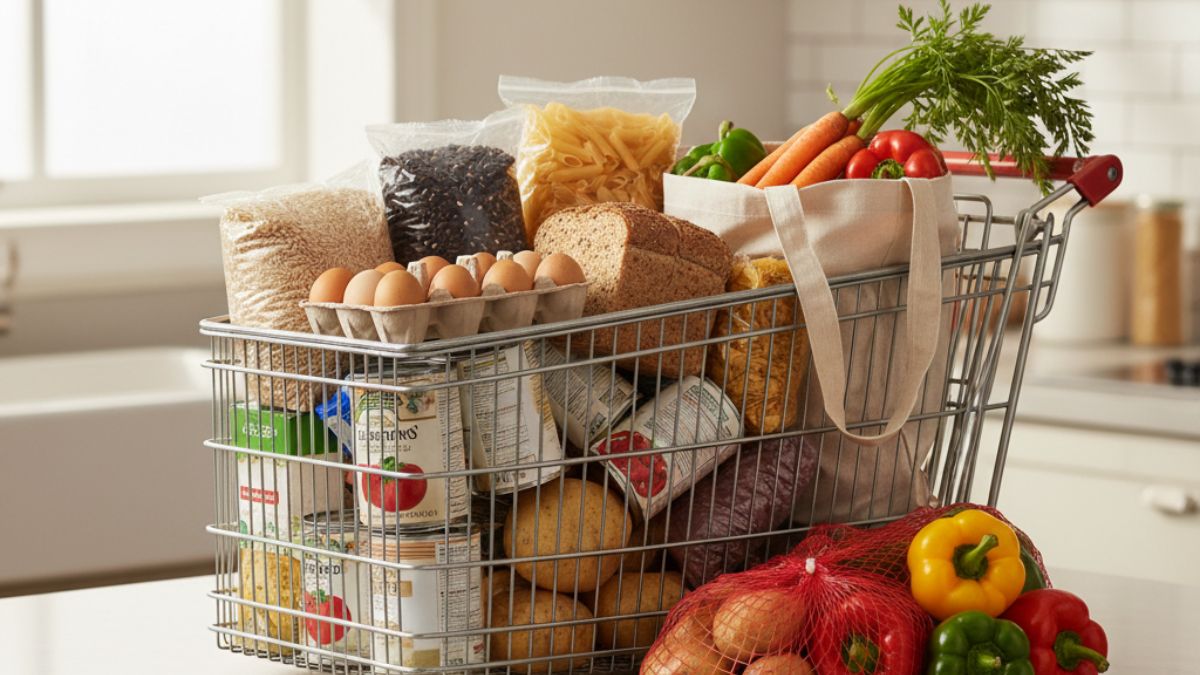
10 Grocery Hacks Single Moms Swear By
For single moms, every trip to the grocery store can feel like a balancing act between saving money, feeding kids well, and getting everything done quickly. Groceries are one of the biggest household expenses, but they are also one of the easiest areas to control when you have the right strategies. These 10 tried-and-true hacks make grocery shopping smarter, cheaper, and less stressful. They are the tips real single moms rely on week after week.
TLDR: 10 Grocery Hacks Single Moms Swear By
- Shop with a plan: Always bring a list based on meals, not guesses.
- Use loyalty and rebate apps: Ibotta, Rakuten, and store apps give instant savings.
- Time your trips: Evening markdowns and midweek runs score the best deals.
- Buy in bulk smartly: Only for staples you actually use and can store.
- Cook once, eat twice: Double meals and freeze half for later.
- Embrace store brands: Cheaper and often the same quality as name brands.
- Shop seasonal produce: Fresh and affordable fruits and veggies by season.
- Avoid waste: Plan around what is in your pantry and fridge before shopping.
- Check unit prices: The shelf label often reveals the true cheapest option.
- Use community resources: Food banks, buy-nothing groups, and local swaps stretch budgets further.
Bottom line: With a little planning and a few insider tricks, single moms can cut grocery bills significantly while keeping meals healthy and stress-free.
Hack 1: Shop With a Plan
Walking into the store without a list almost guarantees overspending. Create a weekly meal plan first, then build your grocery list from it. Shopping with a list saves both money and time. Free printable planners and templates are available from MyPlate if you want inspiration for balanced meals.
Hack 2: Use Loyalty and Rebate Apps
Modern savings are in your pocket. Store loyalty cards, digital coupons, and rebate apps can reduce your bill by 10–20 percent. Single moms recommend apps like:
- Ibotta for cash back on groceries.
- Rakuten for cash back on household purchases.
- Store apps (Walmart, Target, Kroger) for digital coupons and sale alerts.
Hack 3: Time Your Grocery Trips
The day and time you shop can affect how much you spend. Many stores mark down bakery items, meat, and produce in the evenings or early mornings. Midweek shopping often means fewer crowds and better availability of sales items. Ask store staff when markdowns typically happen and plan your trip around that schedule.
Hack 4: Buy in Bulk Smartly
Warehouse clubs and bulk deals save money only if you use the items before they expire. Stick to long-lasting staples like rice, beans, pasta, frozen vegetables, and paper products. Avoid buying bulk snack packs unless you know they will not go to waste. If space is tight, consider splitting bulk purchases with another parent to share savings.
Hack 5: Cook Once, Eat Twice
Double your recipe and freeze half. Making chili, casseroles, or soup in larger batches cuts cooking time in half during the week and reduces the temptation to order takeout. Freezer-friendly meals also make after-school evenings less stressful. See our guide on 10 Budget Family Meals Under $5 for inspiration.
Hack 6: Embrace Store Brands
Generic or store-brand products are often identical to name brands, just with different packaging. According to the Consumer Reports analysis, store brands can save up to 25 percent per item without sacrificing quality. Single moms swear by store-brand staples like flour, pasta, canned goods, and dairy.
Hack 7: Shop Seasonal Produce
Buying strawberries in December or asparagus in January will inflate your grocery bill. Seasonal produce is fresher and much cheaper. Many stores post seasonal charts, or you can check the USDA Seasonal Produce Guide to plan around what is most affordable right now.
Hack 8: Avoid Food Waste
One of the easiest ways to save money is simply not throwing it away. The USDA estimates American households waste 30–40 percent of purchased food. Before shopping, check what is already in your pantry, freezer, and fridge. Build meals around those items first. Store leftovers in clear containers so you see them and use them quickly.
Hack 9: Check Unit Prices
The largest package is not always the cheapest. Shelf tags list the unit price per ounce, pound, or item. Compare unit prices before buying and you will often find surprising savings. Teaching kids how to read these labels is also a valuable money lesson. For more strategies, see CFPB’s consumer shopping tips.
Hack 10: Use Community Resources
Single moms are resourceful, and sometimes the best savings come from outside the store. Food banks, buy-nothing groups, and community swaps can stretch grocery budgets in meaningful ways. Local nonprofits and schools often host seasonal food distributions. Check community bulletin boards, school newsletters, and Feeding America to find programs in your area.
Final Takeaway
Grocery shopping on one income can feel like an uphill climb, but the right hacks make it manageable and even empowering. From shopping with a list and timing your trips to embracing store brands and cutting food waste, these strategies help single moms stretch every dollar. The goal is not perfection but progress. With each trip, you will save a little more, waste a little less, and feel more in control of your family’s meals and budget.